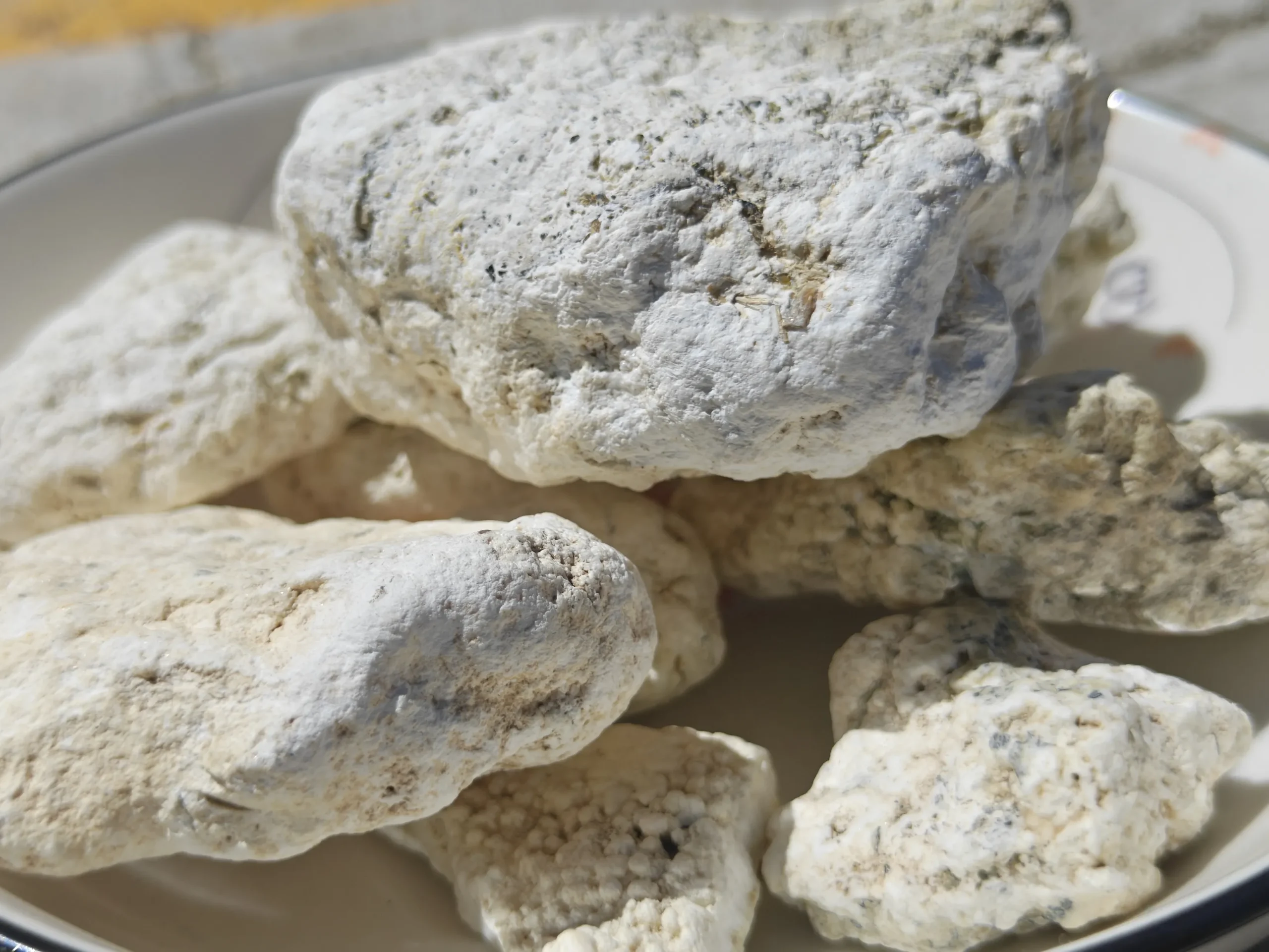
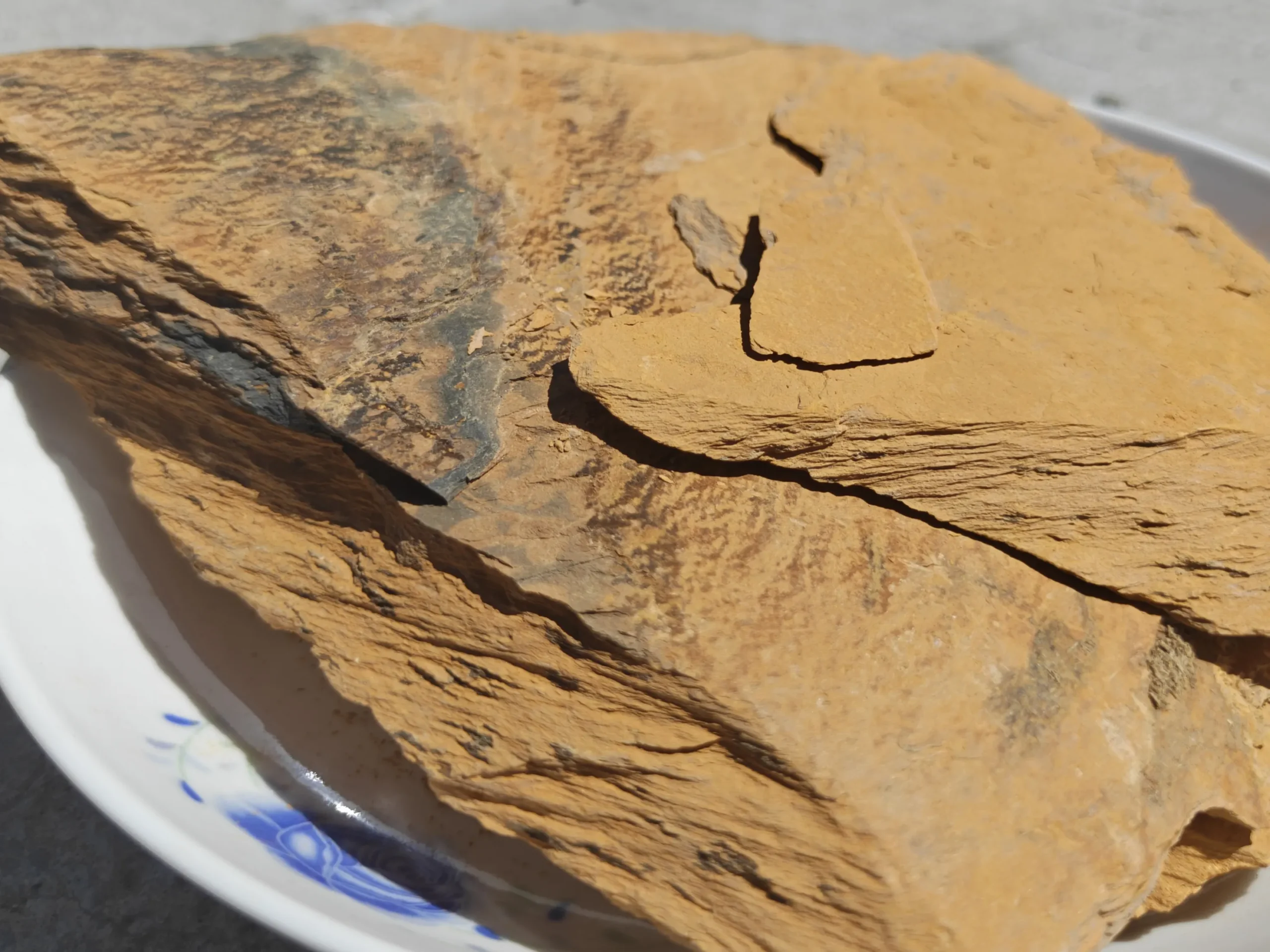
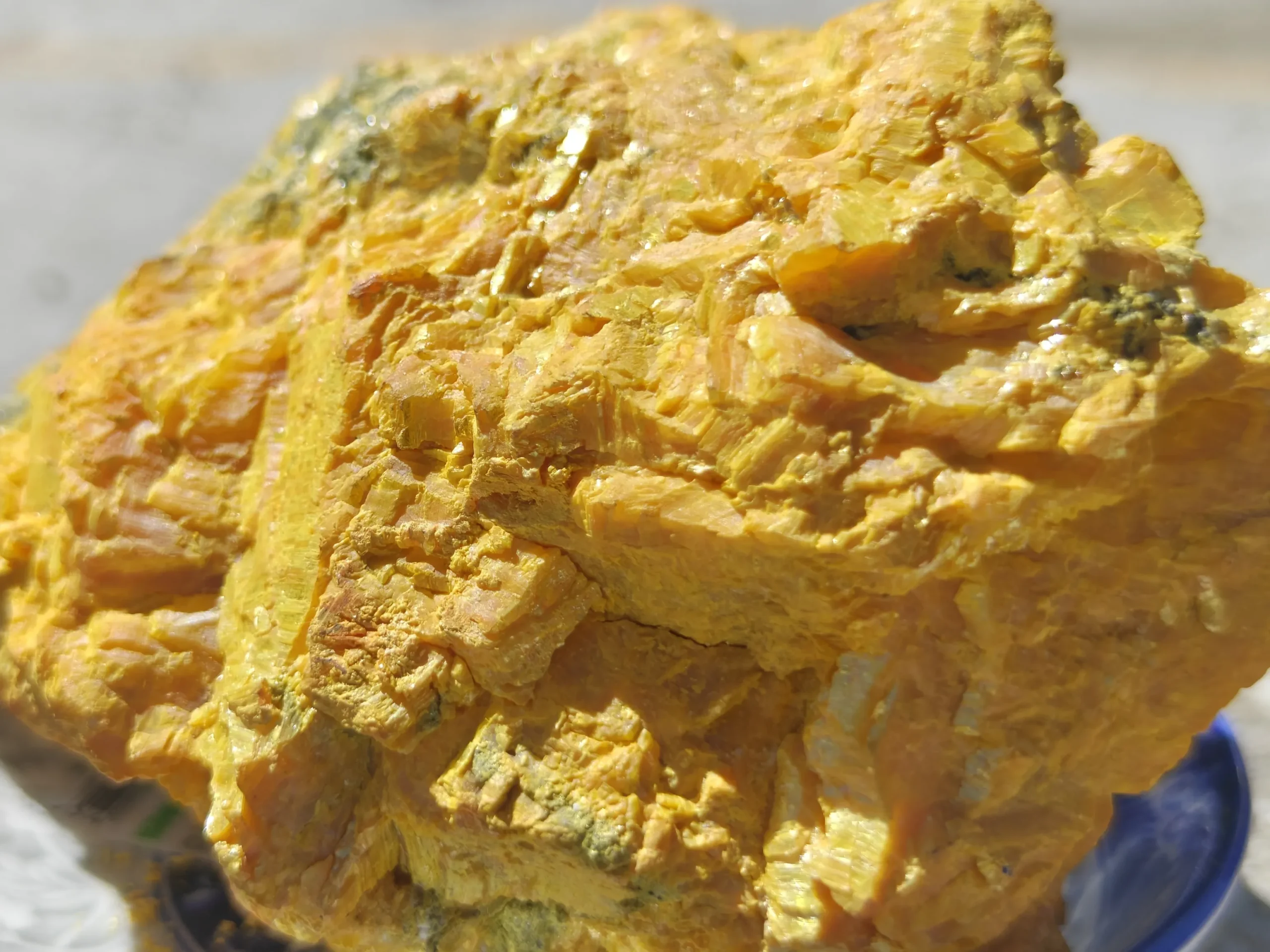
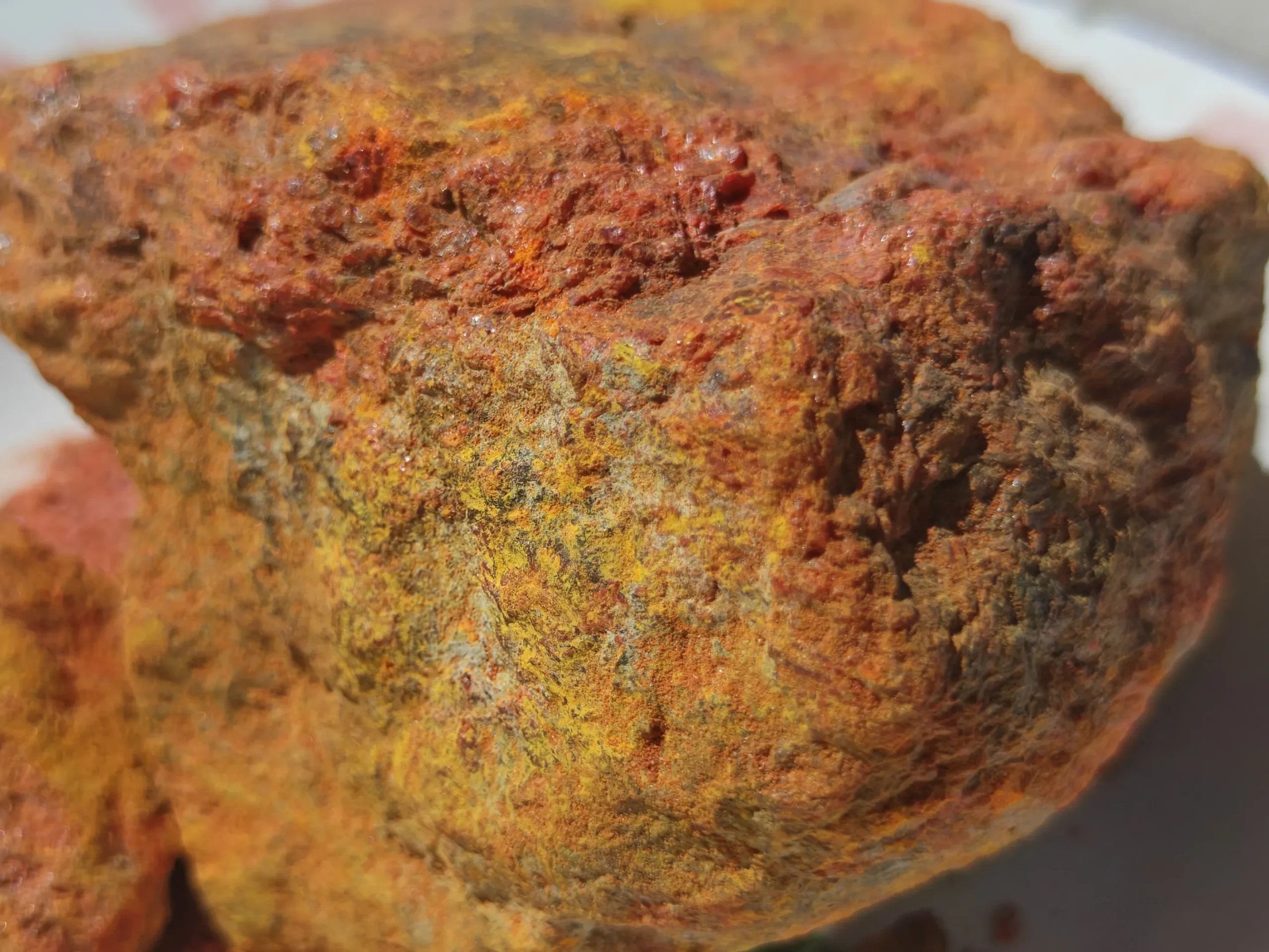
The history of thangka art can be traced back to antiquity, yet the origins of this distinctive painting form remain a topic of scholarly debate. Broadly speaking, existing research has identified three principal theories regarding the genesis of thangka art: the theory of transmission from the Central Plains, the theory of local evolution, and the theory of importation from South Asia. This scholarly debate itself reflects thangka art's multicultural roots and its character of openness and inclusiveness. Although the exact origin of thangka art remains to be verified, the nascent forms of painting in Xizang can be traced back as far as the Stone Age. By the 7th century, as the Tubo local regime established marital alliances with the Tang dynasty and Nepāla, Buddhist art proliferated alongside the rise of temple architecture. Painting techniques and aesthetic models from surrounding regions converged and interwove across the snow-covered plateau. In Tibetan texts, thangka is referred to by a variety of terms: "bris sku," "ras bris," "bris thang," "dgel ris." Compared with these traditional names, the modern term "thangka" emerged relatively late.
As one of the earliest foreign artistic traditions introduced into Xizang, the Nepalese painting style exerted a profound influence on the development of Xizang painting art. Characterized by warm color tones, primarily red and yellow, it features a central deity prominently occupying the core image, with protective deities and retinues arranged symmetrically in framed sections around the main figure. The figures are rendered with flowing, simplified outlines; the garments are light and form-fitting; and the ornaments exhibit a rich, tactile texture.
Art from the Central Plains has long influenced Xizang. After the 14th century, this influence deepened through imperial gifts of exquisite thangkas and the murals in major temples such as Shalu Monastery. These works played a formative role in the creation, inheritance, and development of Xizang painting schools, most notably the Mentang School, enriching the visual language of local artists and advancing the integration of Han and Tibetan artistic traditions.
During the 14th to early 15th centuries, Xizang painting art began to develop clear signs of localization. Inscriptions on murals at Shalu Monastery, Palkhor Monastery in Gyangze, and contemporary thangkas indicate that most works were produced by local Tibetan artists. These painters adhered strictly to traditional Iconometric standards outlined in texts such as the Iconometric Treatise, while also integrating unique Xizang aesthetic values into their creations. This marked a critical phase in the maturation of Xizang painting schools.
From the 14th to the early 15th century, before the emergence of the Mentang School, Nepalese painting style still held dominant influence. At the same time, Central Plains painting, Xizang schools, and classical Indian art coexisted and blended with one another, fostering a flourishing era of artistic pluralism. This rich and diverse cultural environment laid an important foundation for the formation of a distinctly Xizang artistic identity, later exemplified by the Mentang School.
Prepare the canvas
Determine positioning lines
Sketch the draft
Outline with ink lines
Apply base colors
Layer colors with shading
Re-outline details
Highlight with gold lines